Author Archives: alibilibrary

Unknown's avatar

About alibilibrary

Underhand, undeniable, unwonted, uncompromising, underestimated, unwittingly, unflagging, unmitigated, unfortunate, unflinching, unrepentant, unsavoury, unversed

Guide to fictional Libraries #16 A Madrid Summer Night´s Dream pt 1 Fantasy

Madrid, the town I have chosen  to call home for the last ten years, has a multitude of libraries that might well have fallen straight from the pages of a fantasy or science fiction novel. Despite drastic cuts carried out in the name of austerity, most of the libraries included here are open to the general public (especially those in the Sci-fi group from the next post) and I encourage the Madrileños to support their local with a visit.

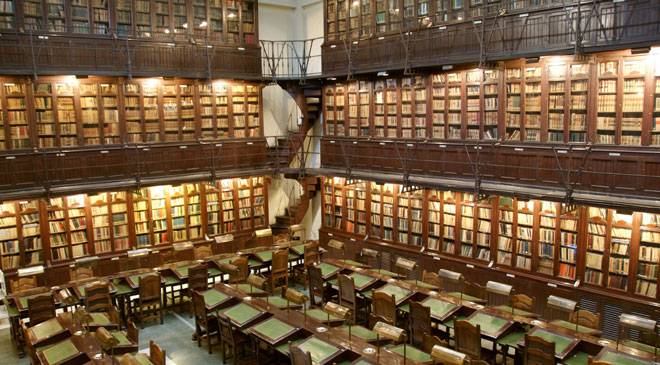
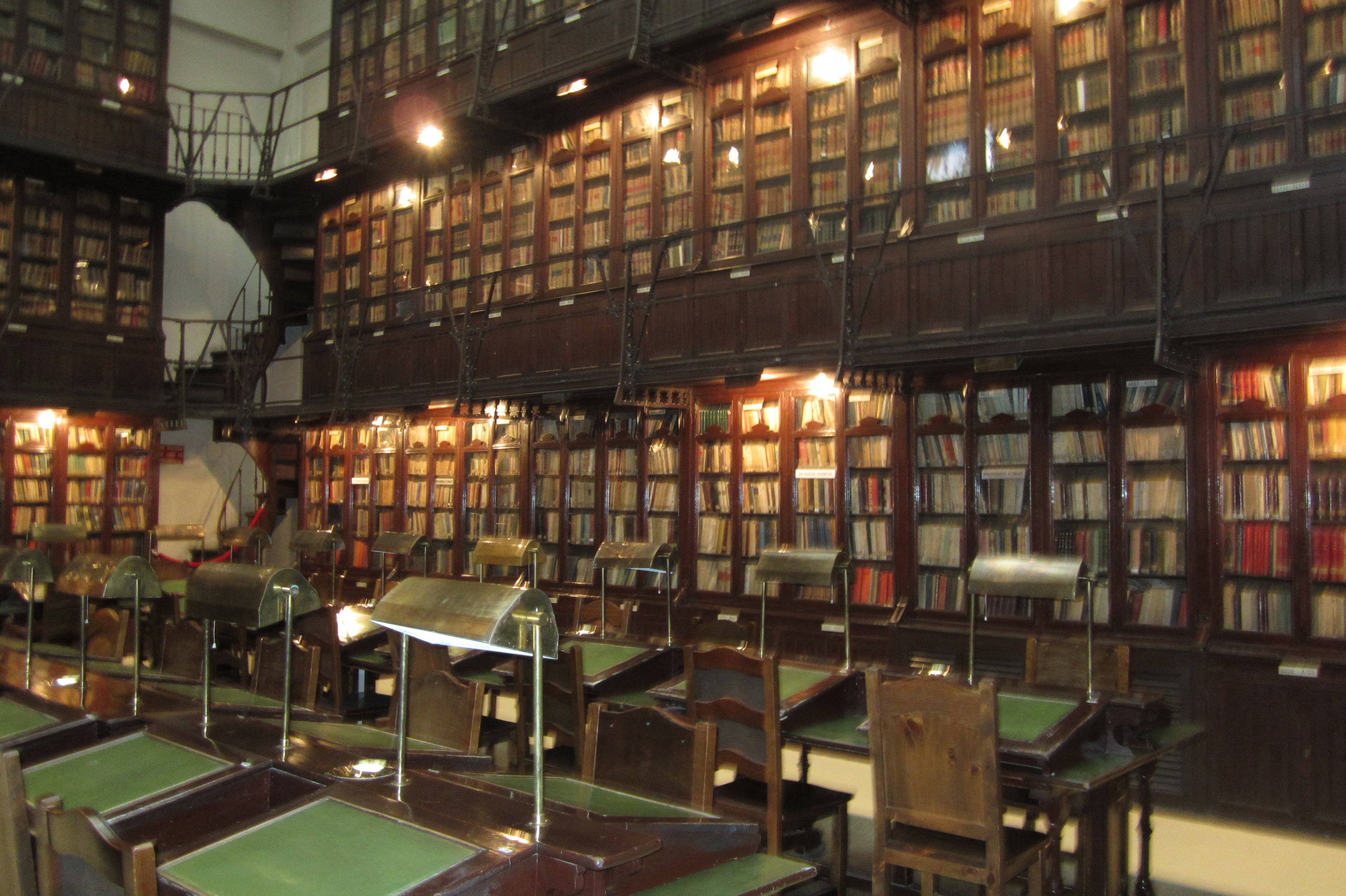
For fantasy we could start with the Athenæum on the Prado.  Founded in 1835 (for members only) it is currently threatened with bankruptcy (2013) due to the reduction in grants from Madrid city council.

kkfodrog173326.JPG.[card]

ateneo_biblioteca_c.jpg_1306973099

img_81671

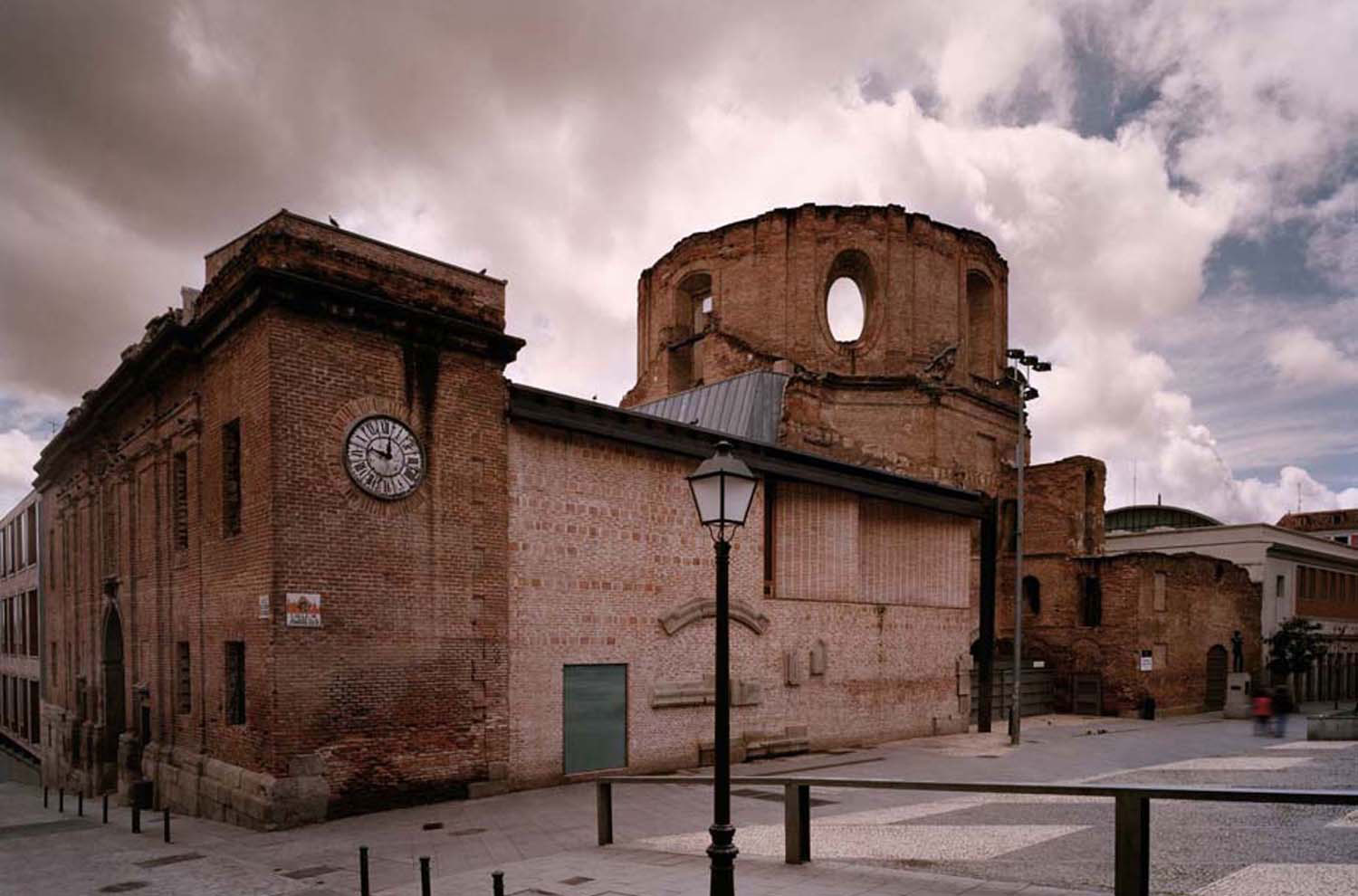
A short distance away on my street, is the no less impressive Library of the UNED (Open University), Escuelas Pias de San Fernando built out of the ruins of a religious school destroyed at the beginning of the Civil War.  As an anecdote the original school (which was free and took up to 200 kids) included the first deaf school in Spain founded in 1795.

itinerary-madrid_cultural-center-escuelas-pias-01

images (1)

The Madrid regional library Joaquín Leguina was built out of the old Aguilá Brewery.  The architects  Emilio Tuñón Álvarez y Luis Moreno Mansilla converted the original 1912 -1935 structures by Eugenio Jiménez Correa and Luis Sainz de los Terreros .

logoInferiorRegional

images (5)

3022057682_a1b49e0d6a_b23620

Biblioteca 044maquinaria_mediateca2

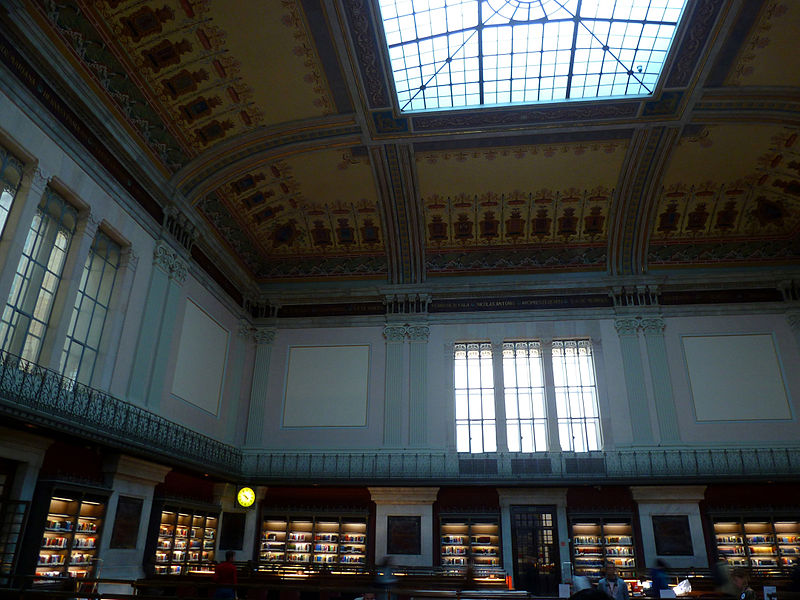
Finally in this section, the National Library, founded in 1712 and described by expert Jesús Cuadrado as “the biggest colander” in the world, able to make an endless quantity of items of popular culture disappear, be they comics, stamps, maps, manuscripts, posters, books and even a codex of Leornardo de Vinci ( – the Alibi Library would be proud!)

biblioteca-nacional-de

images (2)

800px-Salón_General_de_Lectura_BNE

Next up the sci-fi libraries of Madrid…

Guide to fictional Libraries #15 Almost Fiction: Grayling’s Prison Libraries

Voices for the Library reports that Justice Secretary, Chris Grayling, plans to restrict prisoners’ access to books and prison library services as part of changes to the punishment and reward system.

39624369_97a3f4a515The move reinforces the idea of a prison system that is merely punitive rather than playing a rehabilitative role, preparing many citizens for reinsertion.

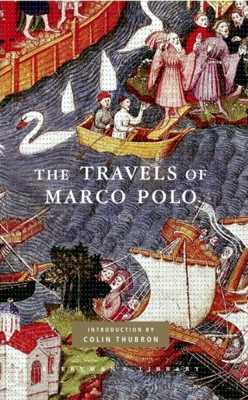
travels-of-marco-poloAccess to books and reading extends opportunities for social participation, encourages reflection and helps develop a sense of social responsibility. It expands our ability to think about alternatives and evaluate our options, which for some may lead to strategies for avoiding criminal behaviour.

images“Prisoners see themselves differently; they gain confidence and self-esteem. They talk about having hope for the future, often for the first time. They feel able to envisage a different future and develop new aspirations for themselves.” (Prisoners Education Trust 2008, p.2)

index1Furthermore where would some of our greatest literary works and writers be without access to paper, pen and reading material? To list but a few books at least partly written in while in prison:

The Travels of Marco Polo

Don Quixote, Miguel de Cervantes

A Hymn to the Pillory, Daniel Defoe

De Profundis, Oscar Wilde

Our Lady of Flowers, Jean Genet

Justine, Marquis de Sade

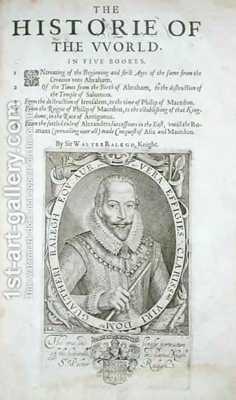
portrait-of-sir-walter-raleigh-1554-1618-title-page-from-the-historie-of-the-world-by-sir-walter-raleighThomas Malory, Richard Lovelace, Walter Rayleigh, Chidiock Tichborne, Ludwig Wittgenstein, Dietrich Bonhoeffer, Jack London,      Martin Luther King, Nelson Mandela…screen-shot-2012-06-10-at-09-39-22(Oh and Mein Kampf by a certain Adolf somebody or other, but that doesn’t really serve my point so…)

Read more about this at:

http://www.voicesforthelibrary.org.uk/2014/03/grayling-ban-on-books-oin-prison/

Guide to fictional Libraries #14 Non-fiction: Mobile libraries

I always think of the yellow county council vans of England when someone mentions Mobile Library Services.

mobile-library-in-rural-northumberland-237869600Here are a few imaginative alternatives:

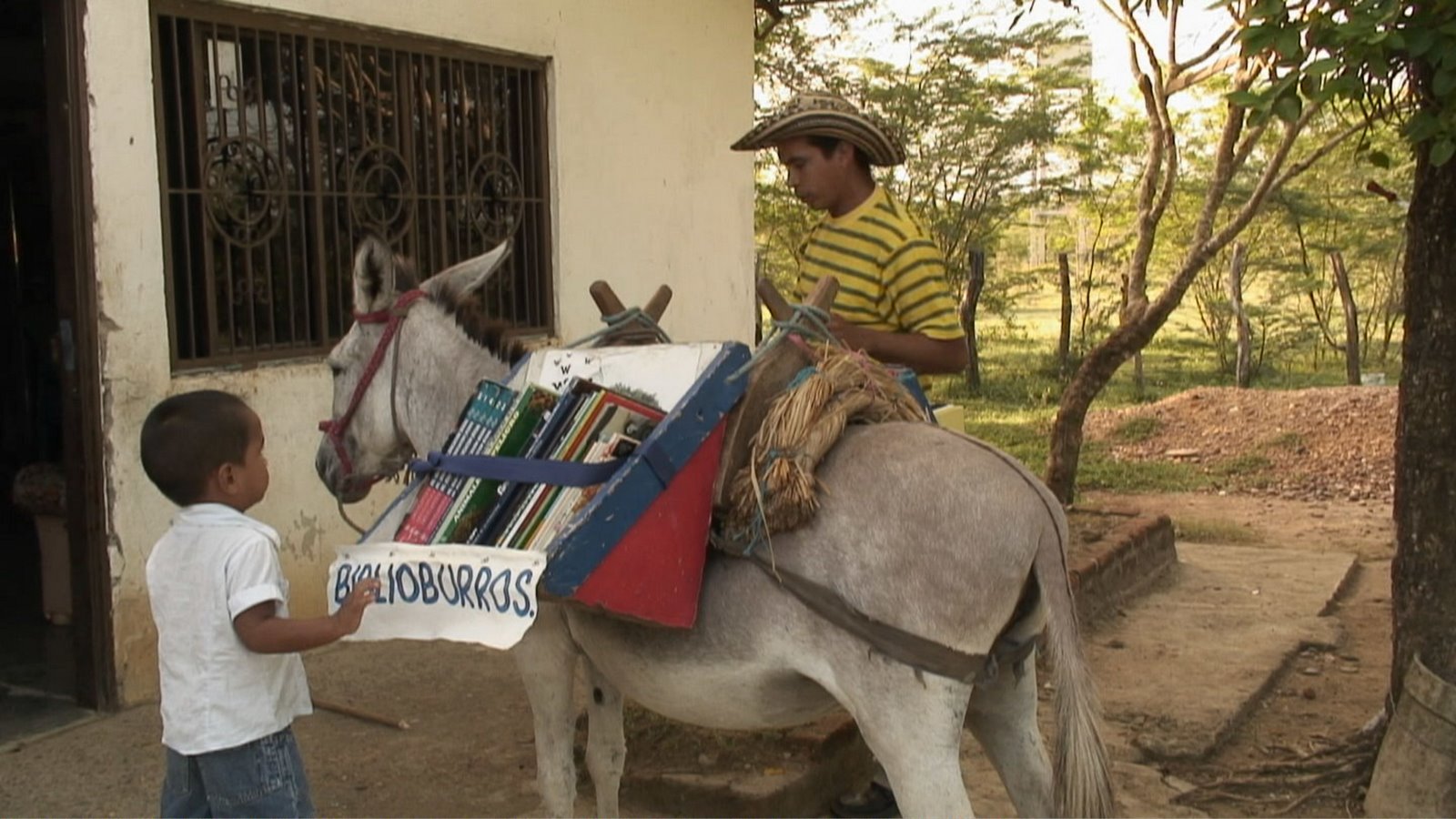
BiblioburroColumbia

5c59556827c01994fc55781ebbe91671Mongolia.

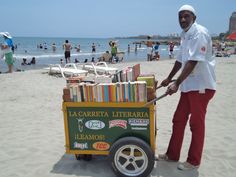
451341f078cc6c5caa3041a24c6bd74fCartagena de Indias, Colombia

500dada17de63bc011f5d1b5fac2ce29Airstream Library. USA

5ae3f36d2d655d30c0274986f885530eApparently owned by Jim Hensen.

Thanks to http://www.thepolisblog.org for the wonderful post from which much of this information has been cribbed.

Guide to fictional Libraries #13 Non-fiction: The world’s smallest libraries

Stranger than fiction? Small is beautiful? Here are some curious community ideas to help enter fictional space:

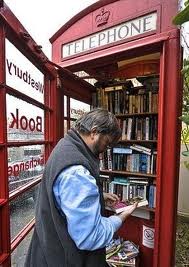
1.

images

As phone boxes are no longer in use, BT gave Westbury-sub-Mendip the option of either having the box removed or  buying it for £1.

The village chose the latter and after a tea party was held, the idea to turn it into a library was decided upon.

_46782354_kiosk-interiorjjjj

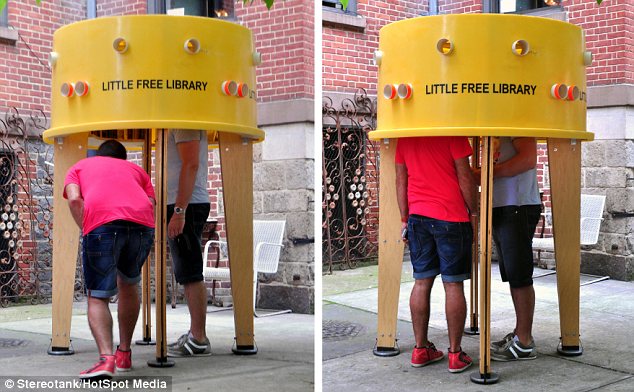
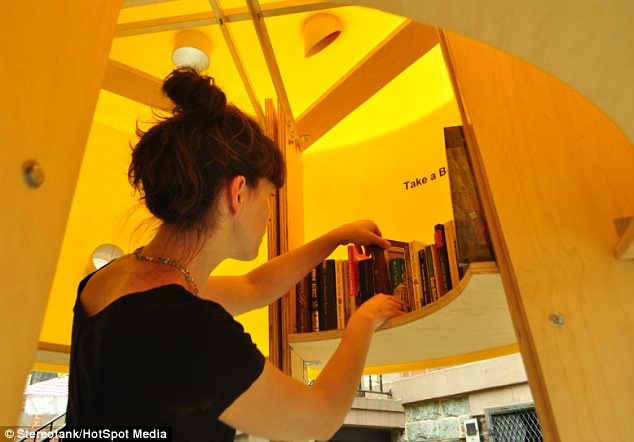
2. In New York a bright yellow plastic water tank housing 40 books allows city-dwellers to take a break from the pace of life in the metropolis by chilling out with a good story.

article-2335595-1A22EF94000005DC-685_634x493The Little Free Library was designed by Venezuelan architects Marcelo Ertorteguy and Sara Valente using recycled materials to create an ‘inhabitable’ environment, which immerses its users in the experience of browsing books while also protecting the books inside from the elements.

article-2335595-1A22F0F3000005DC-24_634x392article-2335595-1A22F46F000005DC-757_634x442article-2335595-1A22EDAC000005DC-285_634x5993.

The Corner Library, Williamsburg, Brooklyn, NY was created by artist, Colin McMullan, as an art project.

Anyone in the local area can access the library.  They just need to obtain a “library card” first from Colin.  The “card” consists of the code to unlock the library.  Once a person has become a member they can borrow any item from the library and share any items they want.

worlds-smallest-libraryOf course the library is always open to members and you certainly don’t have to worry about it being closed due to budget cuts.  We think it’s a great idea.

4.

Bruce Blaisdell, of Mankato, Minn., decided to build his own Little Library free book exchange after seeing one in a neighboring town. He’s noticed that children use it most often. They walk by the retired teacher’s Marshall Street home on their way to and from Jefferson Elementary. His “Little Library” has a note on the window that says the kids are free to take a book or leave one.

10891443

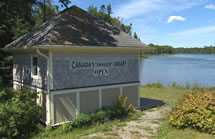
5. This library in Cardigan, on Prince Edward Island, Canada, operated by John A. MacDonald, sits in a building that measures 3.5 x 3.5 metres, and holds about 1,800 books; a lifetime membership costs $5, and it runs on an honour system.

213498-b_smallest_library_Cardigan_CanadaCourtesy of: World Record Academy; BBC; Bob Dolby; Daily Mail; publiclibraries.com/blog/ ; The Augusta Chronicle…

Poems and Translations

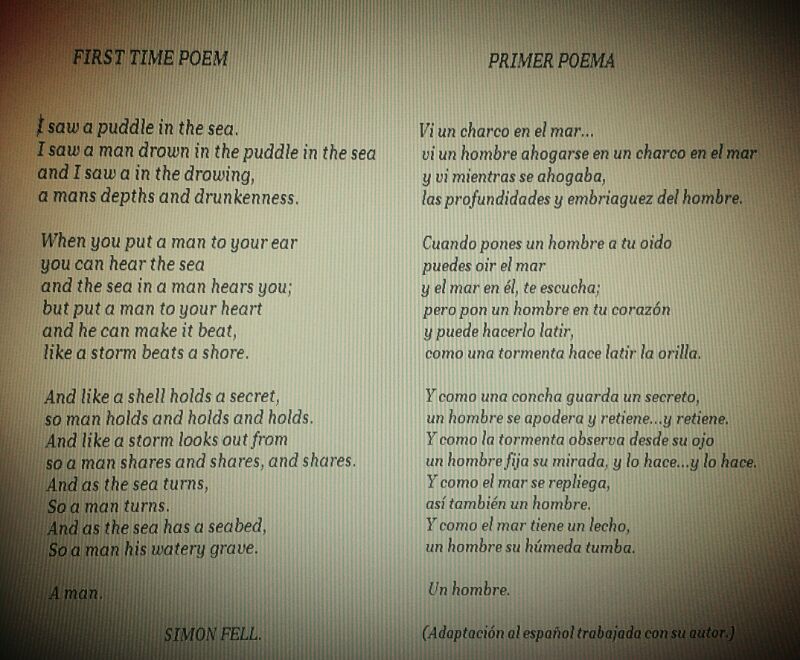
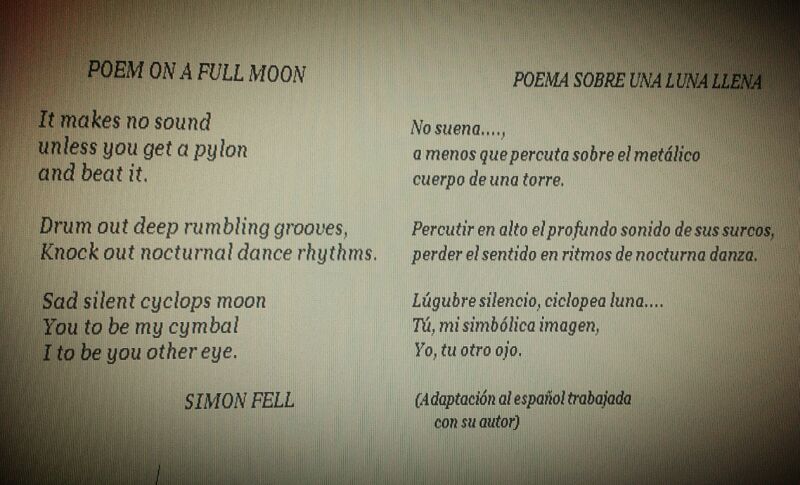
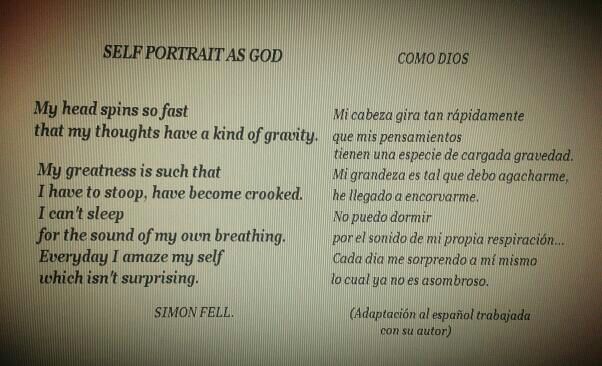
A talented friend and linguist has kindly translated (to Spanish) some of the poems she liked from my blog. I would have liked to thank her by crediting her work, but she has asked to remain anonymous.  These images and the poems themselves can be found in the section “in Verse”.

IMG-20131121-WA0000IMG-20131121-WA0004IMG-20131121-WA0005

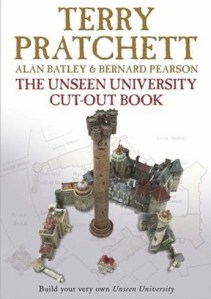
Guide to fictional Libraries #12 The Unseen University Library

Following the lead of The Matilda Project The Alibi Library has decided to produce a short series highlighting the work of some of the best fictional libraries:

In a month that saw the great Terry Pratchett attack the Education Minister’s reforms, the Alibi Library has chosen to honour his fantastic book cycle and the Unseen University Library.

Nunc id Vides, Nunc ne Vides (“Now you see it, Now you don’t.”)

The Library:

The Unseen University Library features chained books not unlike the Bodleian library at Oxford, although there it is done to protect the books from the students, whereas at UU it is done to protect the students from the books.

Unseen Academicals

The high concentration of magical lore has warped the Library interior into a locus of L-Space.  This library-space, is the ultimate portrayal of Pratchett’s concept that the written word has powerful magical properties on the Discworld, and that in large quantities all books warp space and time around them. The principle of L-space revolves around a seemingly logical equation;

 \text{Books} = \text{Knowledge} = \text{Power} = \frac{\text{Mass} \times \text{Distance}^2}{\text{Time}^3}.

Large quantities of magical and mundane books create portals into L-space that can be accessed using innate powers of librarianship. Because libraries with enough books to open a portal are often large and sprawling, those venturing into L-space may not necessarily know that they have arrived. The floor and ceiling of L-space follow the floor and ceiling of the library used to access it; the best example of this is that the central dome of Unseen University’s library is “always overhead”.  In every direction and as far as the eye can see bookshelves stretch off, meaning the nature of any walls are unknown.

“good bookshop is just a genteel blackhole that knows how to read.”

uumain

Because L-space links every library, (and also possibly Death’s Autobiography Library) it is possible to reach any one of these in all space, time and the multiverse. There are indeed potentially other forms of data storage other than books as it represents every library anywhere. Additionally, one can read any book ever written, any book that will be written at some point and books that were planned for writing that were not, as well as any book that could possibly be written (note that this does not mean knowledge of everything; how would you distinguish the “correct” books from the “incorrect” ones?). As this is a form of interdimensional and time travel, there are strict limits on its use, and the Librarians of Time and Space, that is those who have access to L-space have developed three simple rules to ensure abuse is kept to a minimum:

  1. Silence
  2. Books must be returned by the last date stamped
  3. Do not interfere with the nature of casuality

Librarian_(Discworld)

The Librarian:

Access to libraries of other times or other realities is restricted to the librarian himself.

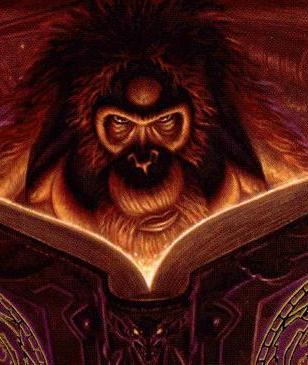
The Librarian chooses to take the form of an orang-utan having discovered that being one had certain advantages for a librarian – he can climb up to high shelves, for example.

Being an ape, he is known for his violent reaction to most people calling him a “monkey.” He speaks a language whose vocabulary consists primarily of the single word Ook and occasionally Eeek, but most people seem able to understand him.

The Librarian’s name has never been given in any of the books; he is always simply ‘the Librarian though he may once have been Dr. Horace Worblehat. Aside from his library duties his hobbies seem to involve playing keyboards (and his organ has a vox diabolica stop, a thunder pedal, and a 256-ft Earthquake pipe) or spending his leisure hours at the Mended Drum, where he drinks quietly unless provoked, eats prodigious quantities of peanuts, and plays a ruthless game of Cripple Mr Onion with anyone foolish enough to take him on.

tumblr_ml4qy74nU81s3l4aio1_500

The Clients:

Access to the library is open to inhabitants of Ankh  Morpork, although non-magic users may get lost.  Theoretically, according to the strict word of the Lore, women are barred entrance to the library on the grounds that their inferior brains can’t handle it but in practice this has not been the case.
tumblr_ml5nokQGE91qfj8gao1_400

Information courtesy of T. Pratchett and the wonderful contributors to Wikipedia

Coming up;  The Plume Library, Charlie Higson, Carole Boston Weatherford

Guide to fictional Libraries #11 The Ghost Library

Following the lead of The Matilda Project The Alibi Library has decided to produce a short series highlighting the work of some of the best fictional libraries:

ddd


Bo was reading her favorite book, when without warning …

the lights went out!

Bo felt a cold chill.

Whispers sniffled and snuffled in the dark. Shadows shivered closer.

A clammy hand grabbed Bo’s book . . .

“GOT IT!” squealed a voice!

A book for younger readers, The Ghost Library is about enjoying books and stories, and about making up your own stories:

Bo is a little girl who loves to read stories before bedtime. One evening, as she is reading an especially funny tale about a witch with stinky feet, all the lights go out. Before she can recover, a clammy hand grabs one end of her book. Unable to let go of her book she closes her eyes and holds on tight to the other end.  Bo and her story book are whisked away to a strange place where she has never been before. When she opens her eyes, she finds herself standing in the Ghost Library.

dd

The Library:

This is a room full of empty shelves!!!  A gigantic, spooky room, but nonetheless filled with empty shelves.

The clients:

The Ghost Library is where the ghosts go to listen to stories borrowed from unsuspecting children. The ghosts who regularly visit this place are constantly looking for more good stories—but their shelves are always empty. Bo…Bo teaches them that stories exist everywhere, not just in books. Her head is full of ideas. She dreams up the perfect way to help the ghosts fill their library with wonderful stories.

ghostlibrary1

This clever story involves effort on the part of young readers as there are two sections where the story is told in pictures so you have to make it up while you read it. There is also one gigantic flap to show the tall tower where the library is (I would love to have that many book shelves!) and it’s like getting three stories in one with the stories within the story – these are drawn in different styles too so the book maintains interest on all sorts of levels.

l_h


Coming up;  The Plume Library, Charlie Higson, Carole Boston Weatherford

Guide to fictional Libraries (non-fiction section) #10 Walmart Library

Following the lead of The Matilda Project The Alibi Library has decided to produce a short series highlighting the work of some of the best fictional libraries:

This article from WebUrbanist (by Steph) gives us a modern day retelling of the Ugly Duckling fairy tale where, hard as it is to believe, a Walmart supermarket is transformed by the crisis into a public library.  Quite the opposite of what is happening in the UK!

There are thousands of abandoned big box stores sitting empty all over America, including hundreds of former Walmart stores. With each store taking up enough space for 2.5 football fields, Walmart’s use of more than 698 million square feet of land in the U.S. is one of its biggest environmental impacts. But at least one of those buildings has been transformed into something arguably much more useful: the nation’s largest library.

walmart-library-1

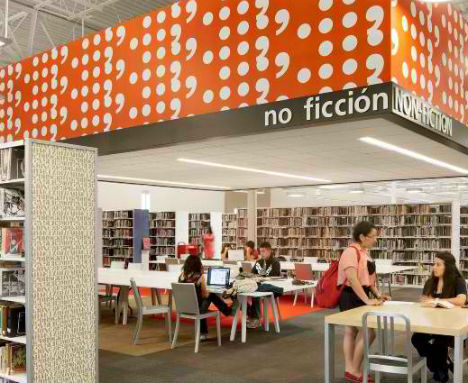
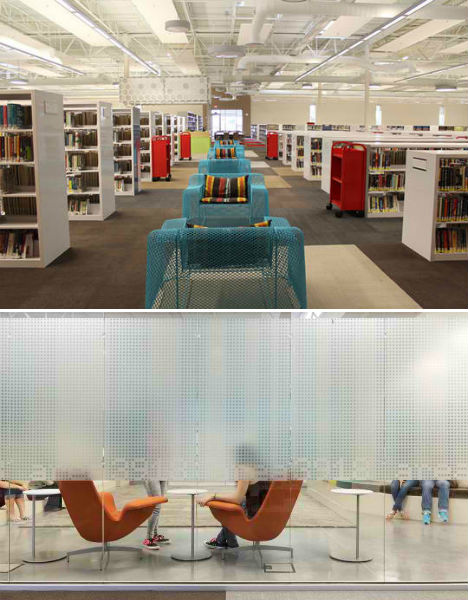
Meyer, Scherer & Rockcastle transformed an abandoned Walmart in McAllen, Texas, into a 124,500-square-foot public library, the largest single-floor public library in the United States.

walmart-library-2

The design won the International Interior Design Association’s 2012 Library Interior Design Competition. MSR stripped out the old ceiling and walls of the building, gave the perimeter walls and bare warehouse ceiling a coat of white paint, and set to work adding glass-enclosed spaces, bright architectural details and row after row of books.

walmart-library-3

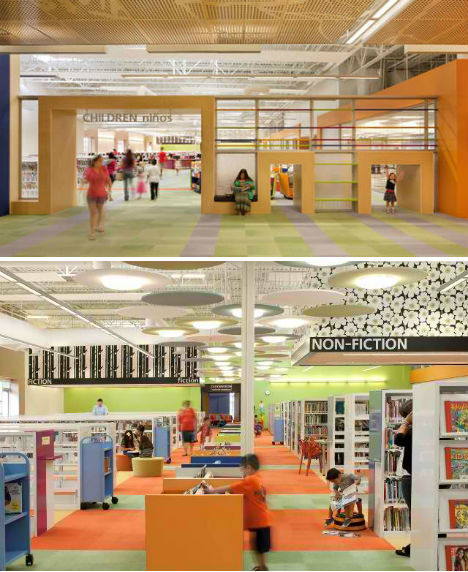
The library even has an acoustically separated lounge for teens as well as 6 teen computer labs, 16 public meeting spaces, 14 public study rooms, 64 computer labs, 10 children’s computer labs and 2 genealogy computer labs. Other new features include self check-out units, an auditorium, an art gallery, a used bookstore and a cafe.

walmart-library-4

While you can still see hints of what the library once was in its sprawling shape and industrial ceilings, it seems like an entirely new space. According to PSFK, the library saw new user registration rise by 23% within the first month following the new library’s opening.

walmart-library-5

Link: http://weburbanist.com/2012/09/04/abandoned-walmart-is-now-americas-largest-library/

Coming up;  The Plume Library

Guide to fictional Libraries #9 The Name of the Rose

Following the lead of The Matilda Project The Alibi Library has decided to produce a short series highlighting the work of some of the best fictional libraries:

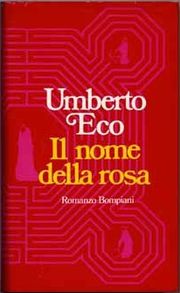
180px-The_Name_of_the_Rose

“Books are not made to be believed, but to be subjected to inquiry. When we consider a book, we mustn’t ask ourselves what it says but what it means…” ― Umberto Eco, The Name of the Rose

The Library central to Umberto Eco’s book is known as The Secretum. It is apparently the largest library of the Christian world and inaccessible to all but the librarian and the librarian’s assistant.

Location:

The Library is located on the third floor of the Aedificium the  focal point of the monastery in which the book is set.  It is built celestially above the ossarium, filled with the bones of monks, the inferno of the kitchen/refectory, and the scriptorium, a ‘paradise on earth,’ where monks from all over the earth congregate to study the manuscripts. It is described as a speculum mundi or ‘mirror of [that] world.’ The age and height of the Aedificium provide a graphic image of mankind’s place in the universe, of the punishments and rewards in the hereafter.

haft_library

The Librarians:

Malachi  of Hildesheim—tall and extremely thin with large and awkward limbs cloaked in the black habit of the order.  He is described as a sad and severe character whose eyes can penetrate a person’s secret thoughts.  His assistant the young and rather feminine Berengar of Arundel is in love with Adelmo the illustrator and seems to have been a victim even before he becomes one in the book .

The Layout:

‘So the plan of the library reproduces the map of the world?’                                         

‘That’s probable. And the books are arranged according to the country of their origin, or the place where their authors were born, or [….] the place where they should have been born.’ (p. 377)

eco.2

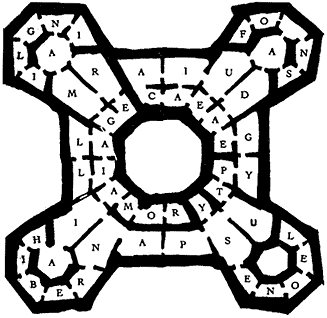
The plan of Eco’s labyrinthine library derives from a large thirteenth-century maze once existing on the floor of Rheims Cathedral in France.  The library itself is ordered like a world map.  However, to find a book it is necessary to crack a series of codes:  ‘iii, IV gradus, V in prima graecorum’ suggest that particular book is ‘third on the fourth shelf in the fifth case’ of a corridor or room referred to as ‘the first of the Greeks.’ Furthermore, there is a formula to finding books based on the 24 letter latin alphabet making reference to quotations from the  Apocolypse from the book of Revelations.

index

These sequences of letters form the names, in Latin, of countries and biblical sites. Hence:

East Tower: FONS ADAE
North Tower: ANGLIA, GERMANIA
West Tower: YSPANIA, HIBERNIA

A library labyrinth that forms the centre of intrigue in this detective history novel.

For more information look up: Maps, Mazes and Monsters The Iconography of the Library in Umberto Eco’s The Name of the Rose by Adele J Haft

Coming up;  The Plume Library

Guide to fictional Libraries #8 Jedi Archives

Following the lead of The Matilda Project The Alibi Library has decided to produce a short series highlighting the work of some of the best fictional libraries:

Trinity-college-library-dub (1)

There is more knowledge here than anywhere else in the galaxy.“―Jocasta Nu

The Jedi Archives are a fathomless collection of ancient knowledge and research dating back thousands of standard years.[6] 

Location:

Located in the First Knowledge quarter of theJedi Temple on Coruscant a planet located in the Galactic Core.

Opening hours:

The Archives are open at all hours and are accessible to all Jedi in need of information.

The Librarians:

Overseen by the Council of First Knowledge, the Archives is directly run by the Chief Librarian. While not necessarily a Council member themselves, the Chief Librarian organizes a staff of Lore Keepers to maintain the Stacks and update them with new information. Additionally, the Archives employ several JN-66 and SP-4 analysis droids. These droids wander the Stacks in the main hall assisting those Jedi in need of direction.

Archivescomputerbank

Maintaining the academy goes hand in hand with preserving the knowledge banks at the Temple; if the base of knowledge does not constantly grow, the academy can not evolve and progress. Having direct oversight of theLibrarian’s Assembly, the Archives are presided over by a Chief Librarian who sometimes sits on the Council themselves. Members of the Council are granted access to the Holocron Vaults located within the Archives, a highly secured set of chambers used to protect the ancient holocrons and their secrets. 

We are keepers of the wisdom of the Jedi. We maintain the Great Library, we oversee the teachings of the younglings, and we seek out the ancient histories and Holocrons that will bring us greater knowledge of the light side of the Force. But we are more than just caretakers. We are also guardians.“―

Master Obba explaining the duty of the Council of First Knowledge.

plan of the archive

Collection:

The First Hall

Known as the main entrance to the Archives due to the great, hand-carved wooden doors at its front, the First Hall contains great records on philosophy and manuscripts detailing the history of the Republic.[10] Personal journals of over a billion Jedi are also held here.

The Second Hall

Running perpendicular to the first and third halls, the Second Hall contains data dedicated to mathematical and engineering sciences. Works related to the topics on hyperspace and how to achieve it and construct engines and vehicles capable of such feats are among the blue-glowing Stacks. Floor-plans of the galaxy’s government buildings and other points of interest are found here, along with many manufacturers’ weapon designs.[10] The computer systems here have readouts on all Temple activities including a databank dedicated to the Jedi High Council‘s current seating arrangements.[1] Splitting into two aisles, the hall has access ways into the two Holocron Vaults on that end of the chamber

The Third Hall

The Third Hall is directly opposite the first and is filled with information on the geography and culture of each and every known planet in the Galactic Republic, including starmaps of interstellar and planetary regions, and detailed analysis on specific civilizations were updated and stored here

The Fourth Hall

Master Kenobi says that there are even texts here that are forbidden to be read.”
“The Archives hold a great many secrets, it is true.
―Ahsoka Tano talking to Madame Jocasta Nu

The Fourth Hall, running on the same plane as the second is also split into two smaller wings; each dedicated to zoological research relating information on every known species of flora and fauna in the galaxy.

StarWarsLibrary

Clients: 

Mainly Jedi.  Visitors are welcome to scan or copy almost any data in the Stacks, though removal of any material from the Archives is strictly prohibited. Remote access to the databases is near impossible, with eradicators built into the Temple’s outer walls and firewalls in the database mainframes.

Study halls

The Archives are equipped with private rooms used for diligent researches that go on for days without sleep. The Chief Archivist would also present information here for Jedi preparing for missions. 

For more information visit:
http://starwars.wikia.com/wiki/Main_Page

Coming up;  The name of the Rose…